
Ark-La-Tex Rail & College Town
Listings in Marshall, TX
Welcome to Marshall, the Harrison County seat in the Piney Woods of East Texas—a rail-built city of historic homes, a landmark courthouse, and two storied universities.
Marshall is the county seat of Harrison County, in the Piney Woods of far East Texas a short drive west of the Louisiana state line. The city anchors the Ark-La-Tex region where Texas, Arkansas, and Louisiana meet, and it has long served as a center of commerce, education, and culture for the area. Marshall was founded in 1841 as the seat of the newly created Harrison County, and its location on the Texas & Pacific Railway made it a mercantile and rail hub. By 1860 it ranked among the largest and wealthiest towns in East Texas, a prosperity reflected in the Greek Revival and Victorian homes that still line its streets. The city's later history includes a prominent African American community—the New Town neighborhood on the southwest side—that grew around churches, schools, and Black-owned enterprise. Education is central to Marshall's identity. Wiley University, founded in 1873, is one of the oldest historically Black institutions of higher learning west of the Mississippi and gained national fame through its debate teams. East Texas Baptist University, established in 1914, adds a second four-year campus, giving the city a college-town texture alongside its county-seat civic life. The two institutions bring students, cultural programming, and events to the community. Marshall's economy has diversified across rail, manufacturing, health care, and education, while its historic downtown—organized around the 1901 Harrison County Courthouse—has become a draw for heritage tourism and the arts. Memorial City Hall Performance Center and the Marshall Visual Arts Center anchor a small but active cultural scene, complemented by museums devoted to regional history, railroad heritage, and the work of artist Leo Michelson. For newcomers, Marshall offers the character of an older East Texas city—tree-lined neighborhoods, a walkable courthouse square, and established institutions—within reach of larger metros. Interstate 20 places Dallas–Fort Worth to the west and Shreveport to the east, and Amtrak's Texas Eagle stops at the city's historic station. The setting suits those drawn to historic architecture, small-city convenience, and the outdoors of the surrounding Piney Woods.

Get more information about Marshall
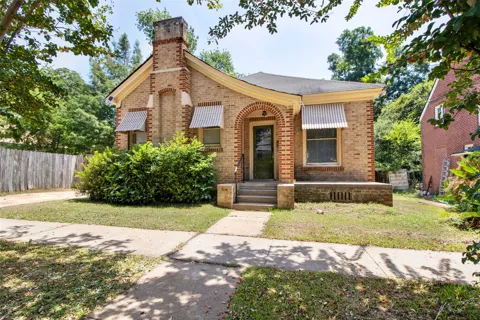
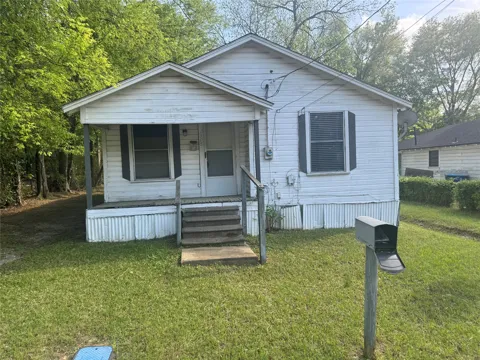
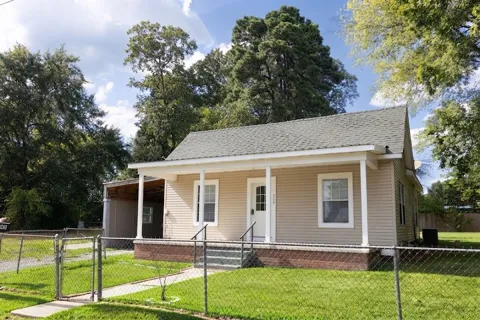
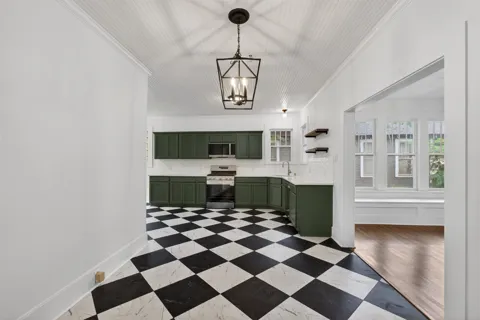
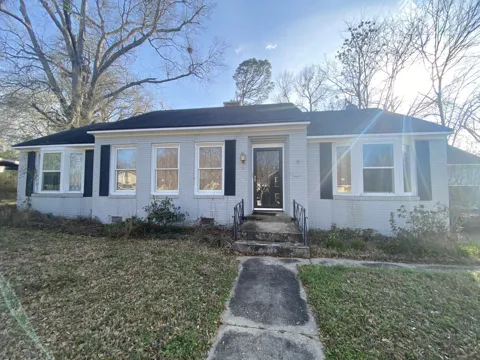
Houses in Marshall, TX
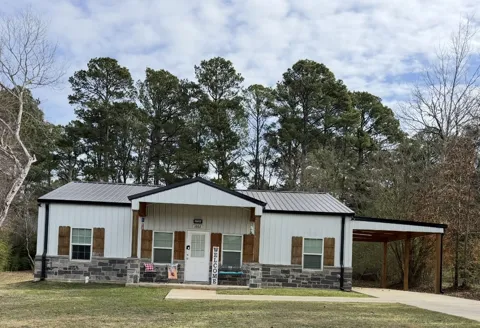
Townhouses & Duplexes in Marshall, TX
For Rent in Marshall, TX
MARKET SNAPSHOT
The Market at a Glance
How homes have been selling here over the last 90 days.
Price & Sales History
Market data reflects closed sales over the last 90 days and is provided for informational purposes.
Zip Codes
BROWSE BY ZIP
Browse listings by postal code in this area.
- Grid
- Map
- List
City Guide
About Marshall
Real Estate & Housing
Marshall's housing stock reflects more than 180 years of growth. The historic core near downtown holds an inventory of Greek Revival, Victorian, and early-20th-century homes, many within designated historic districts, alongside more modest bungalows and cottages. Farther out, mid-century ranches and newer suburban-style single-family developments occupy the city's expanding edges, while rural-adjacent acreage is common at the city's margins in the Piney Woods. The New Town neighborhood on the southwest side carries its own historic residential character. Buyers can choose between preservation-minded older homes near the courthouse square and newer construction on larger lots, all within a low-density, single-family-dominated market.
Neighborhoods
Marshall's residential character varies by area. The central district around downtown holds the city's oldest homes and the 1901 Harrison County Courthouse, with a grid of streets laid out in the railroad era. New Town, on the southwest side, is a historically African American neighborhood that developed around Black churches, schools, and businesses from the late 19th century and remains a culturally significant community. Beyond the historic core, mid-century neighborhoods and newer suburban-style subdivisions extend toward the city's edges, giving way to wooded acreage. Because of Marshall's compact size, many of these areas are within a few minutes' drive of downtown, schools, and the universities.
Lifestyle in Marshall
Marshall blends county-seat civic life with a college-town pulse. The restored Memorial City Hall Performance Center hosts live performances, and the Marshall Visual Arts Center provides studio and exhibition space for local artists. The Michelson Museum of Art preserves the work of Latvian-American painter Leo Michelson, while the Harrison County Historical Museum interprets regional history. Downtown's courthouse square anchors restaurants, shops, and community gatherings. With two universities in town, cultural lectures, concerts, and collegiate athletics add to the calendar. The overall tone is unhurried, friendly, and rooted in East Texas heritage.
Schools & Education
Marshall is served by Marshall Independent School District, which operates the city's public elementary, middle, and high schools, including Marshall High School. The district has pursued dual-enrollment and college-credit partnerships with area institutions. Higher education is a defining feature: Wiley University, founded in 1873, is one of the oldest historically Black universities west of the Mississippi, and East Texas Baptist University, established in 1914, sits in the city as well. Together the two campuses bring a strong educational presence and student population to Marshall, and regional two-year options such as Panola College serve the broader area.
Getting Around
Marshall sits astride Interstate 20, which runs east–west across the region, linking the city to Dallas–Fort Worth to the west and Shreveport, Louisiana, to the east. U.S. Highways 59 and 80 also pass through the area. Amtrak's Texas Eagle serves the city at its historic downtown station, providing a long-distance passenger rail link along the Dallas-to-Chicago corridor. Regional planners have also pursued an extended I-20 corridor passenger rail concept that would run through Marshall toward the East Coast. Regional airports serve air travel, and the city's compact layout keeps most destinations a short drive away.
Parks & Recreation
Marshall's recreation and heritage offerings are concentrated around its historic core. The Starr Family Home State Historic Site preserves an 1871 Greek Revival residence with period furnishings, and the Harrison County Historical Museum interprets the region's past. The Texas & Pacific Railway Depot and Museum celebrates the rail history that built the city, and the Michelson Museum of Art offers a quieter cultural outing. For the outdoors, Caddo Lake—a sprawling, cypress-lined waterway straddling the Texas–Louisiana line—lies about a thirty-minute drive away for boating, fishing, and wildlife viewing. City parks and the surrounding Piney Woods provide additional green space.
About Marshall
Frequently asked questions
What county is Marshall in?
Marshall is the county seat of Harrison County, Texas, in the far eastern part of the state near the Louisiana border. Harrison County was created in 1839 and organized in 1842, with Marshall as its seat.
What is Marshall, Texas known for?
Marshall is known for its railroad and mercantile history, its landmark 1901 Harrison County Courthouse, and its collection of Greek Revival and Victorian homes. It is also home to Wiley University, one of the oldest historically Black universities west of the Mississippi, and East Texas Baptist University.
What universities are in Marshall?
Marshall is home to Wiley University, founded in 1873, and East Texas Baptist University, established in 1914. Wiley is a historically Black institution known for its debate tradition, while ETBU is a Baptist-affiliated four-year university.
Does Marshall have passenger rail service?
Yes. Amtrak's Texas Eagle stops at Marshall's historic downtown station, providing long-distance passenger rail service along the Dallas–Chicago corridor. Marshall also sits on Interstate 20 and U.S. Highways 59 and 80.
What is there to do in Marshall?
Visitors and residents can tour the Starr Family Home State Historic Site, the Harrison County Historical Museum, the Texas & Pacific Railway Depot and Museum, and the Michelson Museum of Art. Caddo Lake lies about thirty minutes away for boating, fishing, and wildlife viewing.
Still have questions about Marshall?
Get in touchExplore the area